
New Orleans · Louisiana
New Orleans
Louisiana · United States
A Mississippi River city where historic streets, music and neighborhood life remain inseparable.
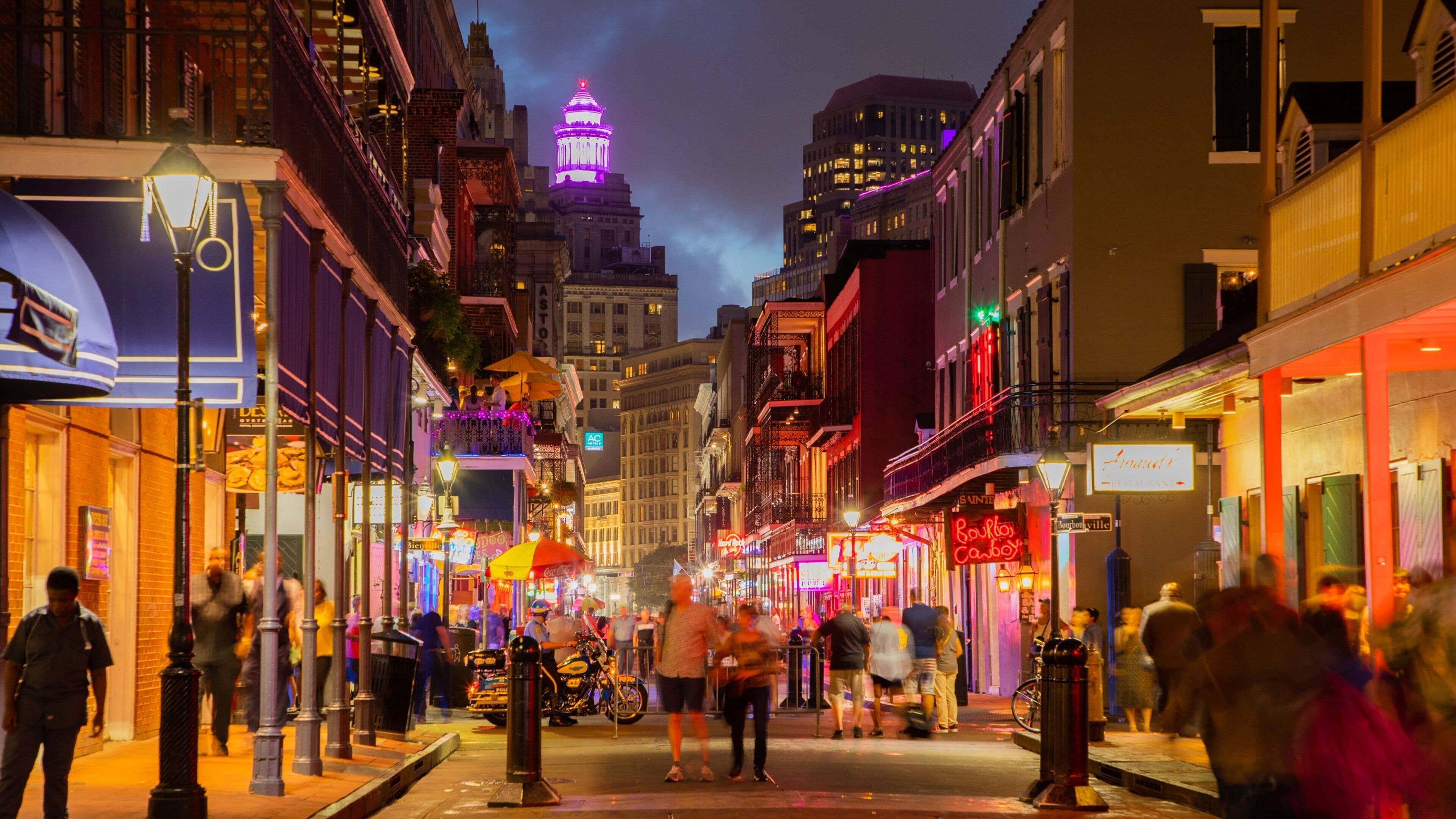
New Orleans connects the Creole architecture of the French Quarter with traditional jazz, the smaller venues of Frenchmen Street, Uptown residential character and cultural institutions that extend the city well beyond its best-known celebrations.
DISCOVER NEW ORLEANS
The historic core sets the rhythm, but the city’s identity moves through distinct neighborhoods.
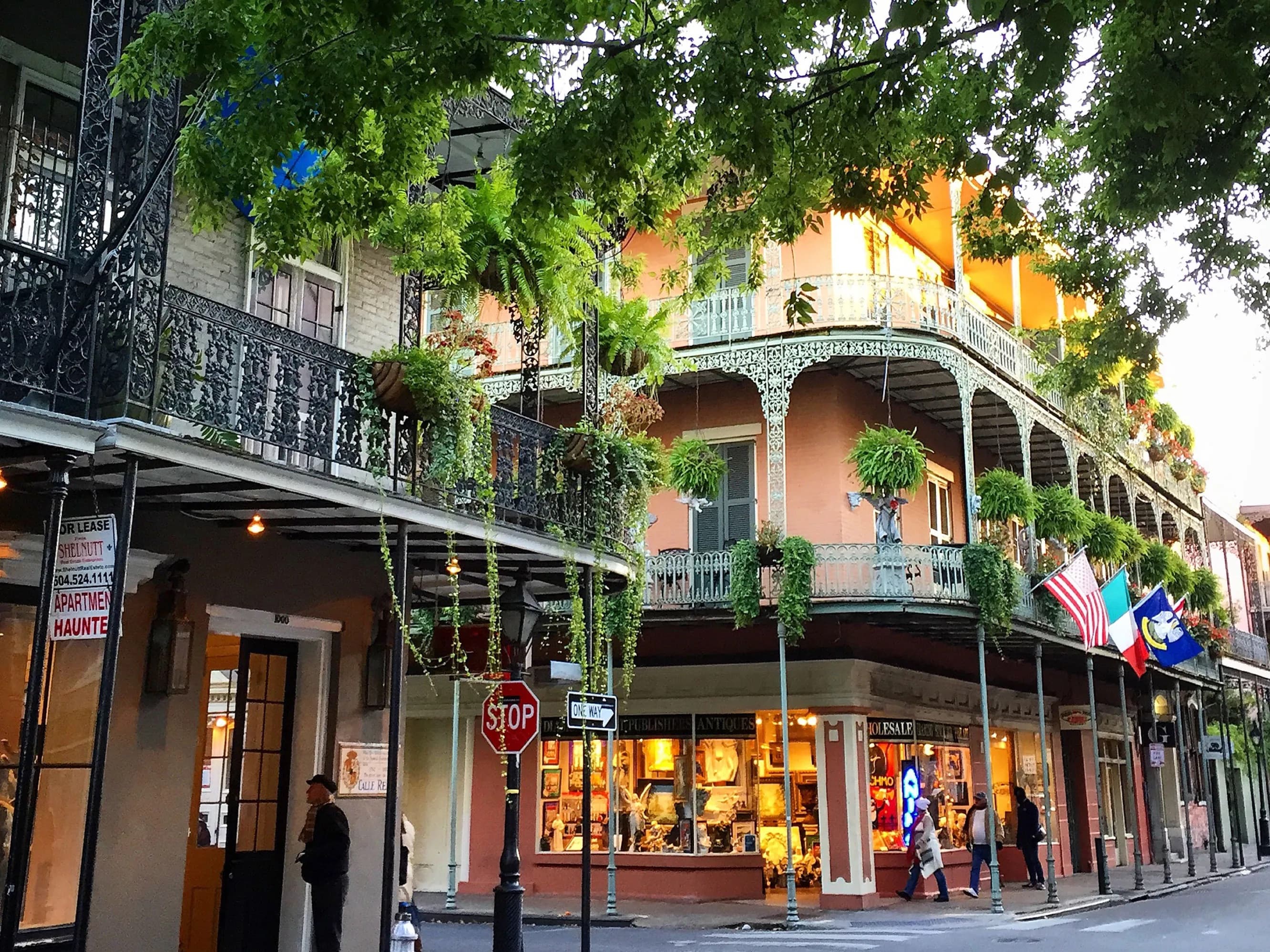
New Orleans begins at the bend of the Mississippi with the French Quarter, the original colonial district founded in 1718. Its compact grid, Creole architecture, courtyards and balconies form a complete historic environment rather than a single entertainment street. Jackson Square gives that core a civic focus beside St. Louis Cathedral, while the river remains one of the district’s defining edges. Music is equally specific to place. Preservation Hall has presented traditional New Orleans jazz in an unadorned French Quarter room since 1961, keeping attention on the musicians rather than production. Beyond Esplanade Avenue, Frenchmen Street concentrates smaller live-music venues in the Faubourg Marigny and offers a different evening geography from Bourbon Street. Uptown, the Garden District introduces residential architecture, oak-lined streets and private homes best understood from public streets or a scheduled tour. The National WWII Museum adds a major institutional visit in the Warehouse District, with a campus substantial enough to stand apart from a walking day in the Quarter. Mardi Gras and the New Orleans Jazz & Heritage Festival transform the city on defined dates, but neither replaces the year-round destination: architecture, neighborhood scale, music venues and the Mississippi setting remain present between festivals.
Quarter, River And Living Music
Vieux Carré · Jazz · Neighborhoods
New Orleans is best understood through the different places where architecture, music and neighborhood life meet.
The French Quarter and Jackson Square establish the city’s historic riverfront core; Preservation Hall gives traditional jazz a concentrated setting; Frenchmen Street carries live music into the Faubourg Marigny; and the Garden District and Warehouse District widen the journey beyond the Quarter.
Journey Possibility
Explore the French Quarter and Jackson Square on foot, reserve Preservation Hall for a focused evening set, and treat Frenchmen Street as a separate music district rather than an extension of Bourbon Street. Give another part of the itinerary to the Garden District or the National WWII Museum instead of compressing every neighborhood into one day.